By Edward Gabkwet
The month of September 2026 marks 12 years since two Nigerian Air Force (NAF) pilots took to the skies on a mission from which one would never return, while the other would disappear into the uncertainty of war.
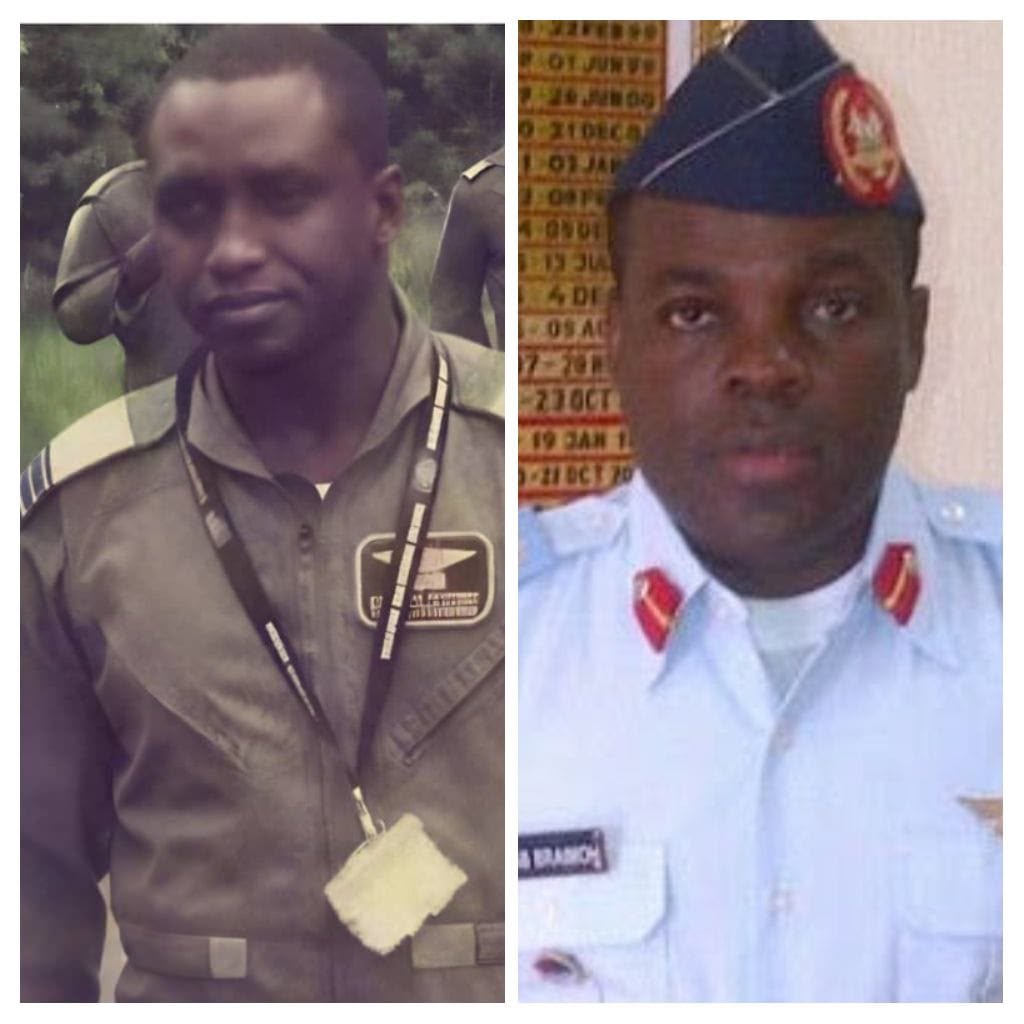
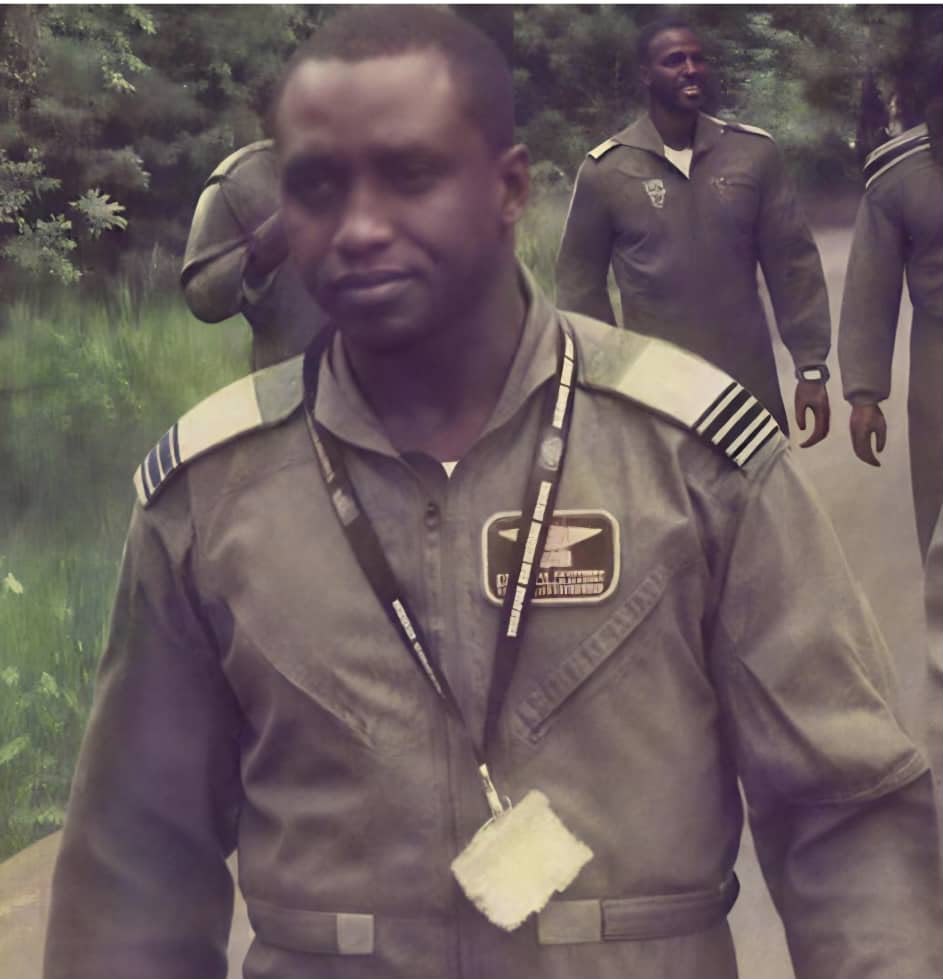
Group Captain Abdulrasheed Bamidele Braimoh and Wing Commander Chimda Hedima were flying an Alpha Jet aircraft, NAF 466, on a combat mission against Boko Haram terrorists in the Northeast when their aircraft went down near Kauri in Konduga Local Government Area of Borno State on September 12, 2014.
Hedima was subsequently captured and killed by the terrorists, while Braimoh has since been declared killed in action, in line with the provisions of the Armed Forces of Nigeria.
Twelve years later, their story deserves more than a passing mention. It deserves to be remembered. More importantly, it should compel us to confront an uncomfortable question: How much do Nigerians truly appreciate the men and women who stand between the nation and those who seek to destroy it?
Read Also: MEXICAN POLICE OFFICER PROMOTED AFTER BREASTFEEDING HUNGRY INFANT
Many would agree that we have become too accustomed to casualty figures involving soldiers killed or maimed, aircraft lost or another funeral taking place. This is a sad reality that risks making tragedies appear ordinary.




But it must not be so.
Behind every military or para-military casualty is the story of a child who will grow up without a parent, parents who will bury their sons or daughters, spouses who suddenly become widows or widowers, and comrades who must return to the battlefield knowing that the colleague who stood beside them yesterday will not be there tomorrow.
Oftentimes, Nigerians criticise military operations, especially when there are setbacks. Such criticism is understandable, particularly in a democratic society like ours. However, in the intensity of these arguments, we sometimes forget the men and women at the centre of these operations.
The pilot who straps himself into a combat aircraft does not know with certainty whether the mission will end with a safe landing. In the same way, the soldier or sailor who moves into a forward position cannot be certain that he or she will return home to family