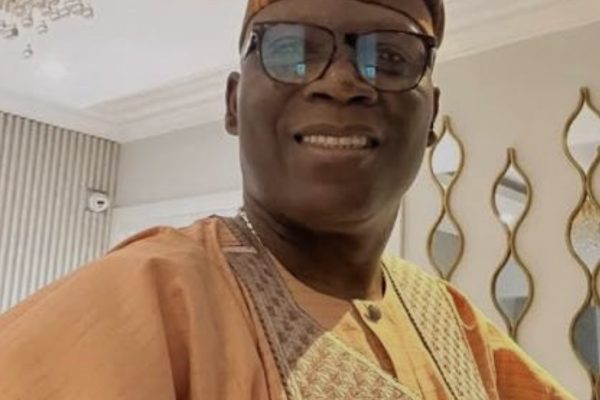
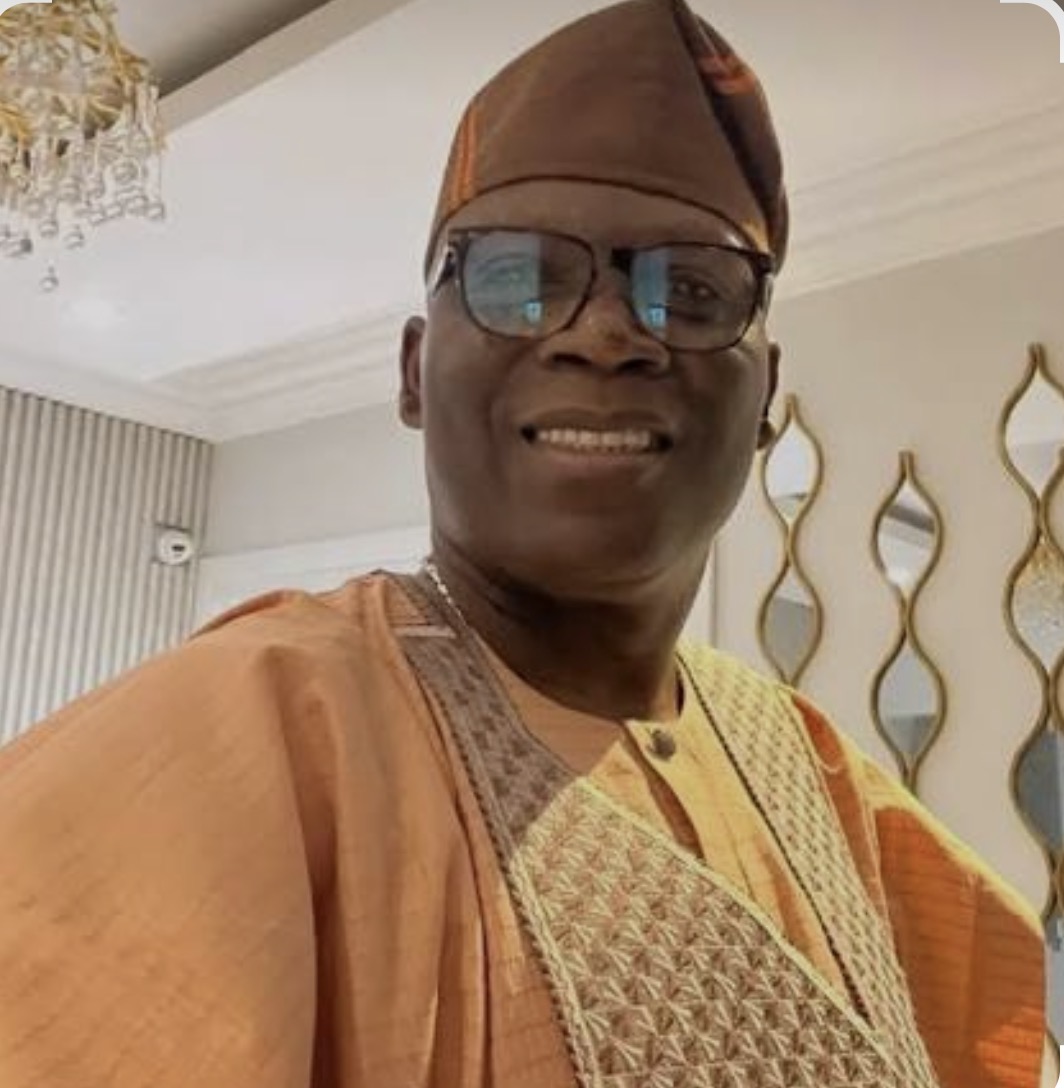
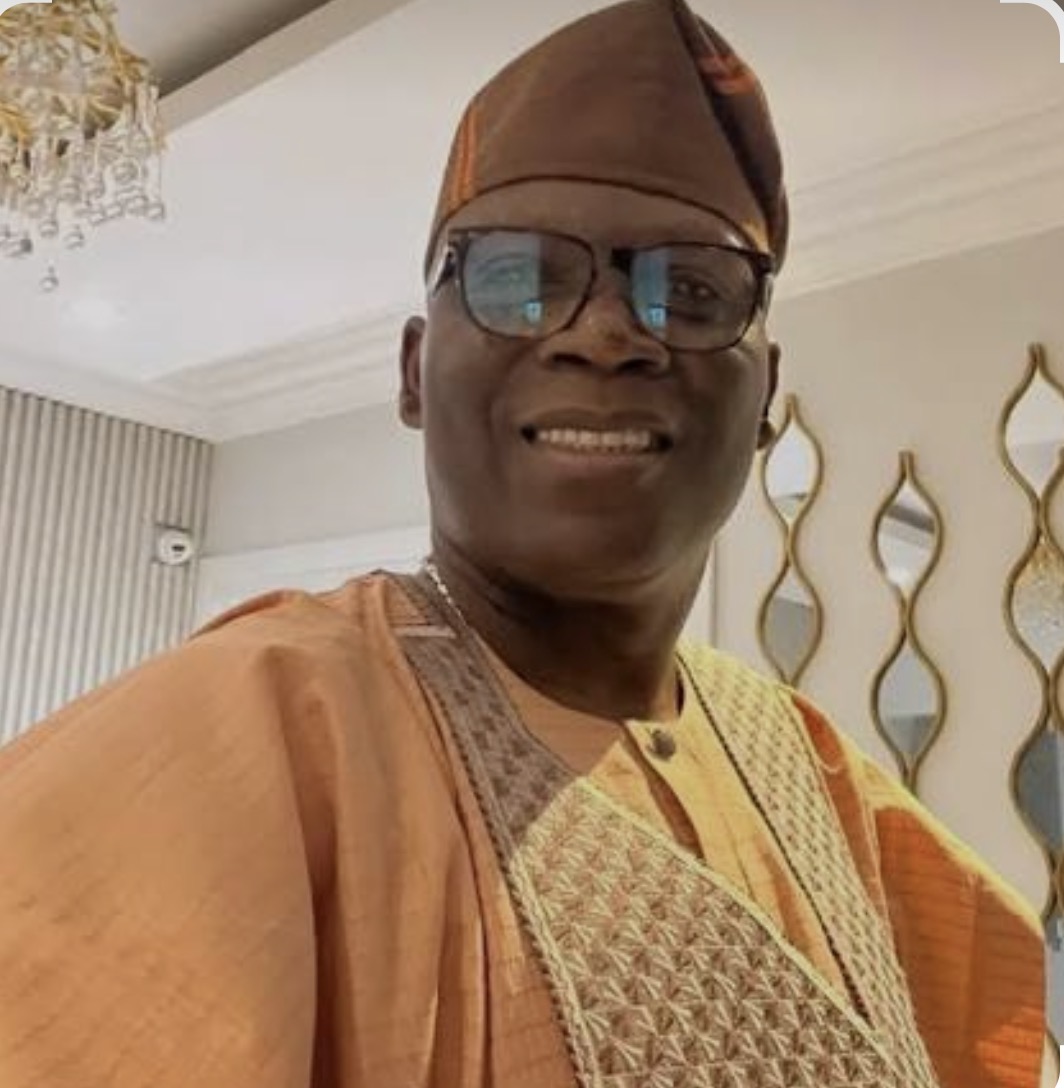
Lagos APC spokesman Seye Oladejo says Peter Obi must demonstrate stronger political structures, policy clarity and national alliances to remain competitive in the next presidential election.
As Nigeria prepares for the 2027 general elections, the Lagos State chapter of the All Progressives Congress (APC) has questioned whether former presidential candidate Peter Obi can sustain the political influence he built during the 2023 election, arguing that popularity alone may not be enough to secure future electoral success.
In a political commentary dated October 19, 2026, Lagos APC spokesman Mogaji (Hon.) Seye Oladejo maintained that the enthusiasm osurrounding Obi’s previous presidential campaign must be backed by stronger party structures, consistent political convictions, credible policy proposals and effective nationwide mobilisation.
Oladejo acknowledged that Obi’s 2023 presidential bid significantly influenced Nigeria’s political conversation, particularly among young voters and citizens seeking an alternative to the country’s established political order. However, he argued that the circumstances responsible for that electoral breakthrough cannot automatically be expected to produce the same outcome in 2027.
According to the APC spokesman, the next election will require candidates to demonstrate what they have achieved politically since the previous contest, rather than relying primarily on past popularity and the memories of a successful campaign.
PARTY SWITCHES RAISE QUESTIONS ABOUT POLITICAL CONSISTENCY
Oladejo also questioned the implications of Obi’s movement across political parties, including the All Progressives Grand Alliance (APGA), the Peoples Democratic Party (PDP) and the Labour Party (LP), arguing that repeated changes of political platform could create doubts about the durability of his political commitments.
While acknowledging that politicians have the democratic right to leave parties when disagreements arise, the APC spokesman maintained that aspirants seeking the presidency must clearly explain the principles guiding their political decisions.
He argued that a candidate who presents himself as an alternative to conventional politics must demonstrate how his political choices distinguish him from the established political practices he criticises.
Oladejo stressed that securing an electoral platform is only one part of the political process, adding that building a stable organisation capable of surviving internal disagreements and electoral setbacks is equally important.
He maintained that political credibility depends not simply on the ability to attract supporters but also on the capacity to establish institutions and alliances that can sustain a political project beyond an individual election.
APC QUESTIONS CONVERSION OF 2023 SUPPORT INTO NATIONAL STRUCTURES
The Lagos APC spokesman further argued that the strength of Obi’s 2023 campaign should be assessed alongside the organisational requirements of a nationwide presidential contest.
He noted that social media campaigns, public enthusiasm and youth participation can influence political outcomes but cannot independently replace grassroots networks, dependable political partnerships and effective voter mobilisation across Nigeria’s diverse regions.
According to him, the challenge facing Obi is to demonstrate that the movement associated with his candidacy has developed the institutional capacity required to compete effectively across the country.
Oladejo suggested that the period following the 2023 election presented an opportunity to transform the movement’s widespread public visibility into a more enduring political structure.
He maintained that the sustainability of Obi’s political influence would depend on his ability to expand his support base, establish stronger alliances and demonstrate that his political organisation can function beyond the enthusiasm generated by his personality.
2027 WILL PRESENT A DIFFERENT ELECTORAL LANDSCAPE
Oladejo argued that the political conditions surrounding the 2027 general elections will differ from those that shaped the previous presidential contest.
He observed that voter expectations, political alliances, campaign strategies and national circumstances continue to evolve, making it difficult for any candidate to rely exclusively on the popularity enjoyed during an earlier election.
The APC spokesman said Obi would need to demonstrate that his political appeal has expanded beyond his established supporters and that he can attract voters with different regional interests, economic concerns and political priorities.
He added that the next presidential contest would provide an opportunity for Nigerians to assess the preparedness of all candidates based on their current programmes, organisational capacity and ability to address the country’s challenges.
Oladejo maintained that previous electoral achievements should be regarded as a foundation for further political development rather than a guarantee of future success.
POLICY PROPOSALS MUST GO BEYOND CAMPAIGN PROMISES
The commentary also questioned whether Obi’s policy positions provide sufficient detail on how he intends to address Nigeria’s economic and social challenges.
Oladejo argued that presidential aspirants must explain how their proposals would tackle inflation, unemployment, public debt, electricity supply, education, healthcare and infrastructure development.
He maintained that general commitments to fiscal discipline, prudent management and economic productivity must be accompanied by practical implementation plans.
According to the APC spokesman, Nigerians deserve explanations of how proposed policies would be funded, how their implementation would affect vulnerable households and what measurable outcomes citizens could reasonably expect.
He also argued that candidates must demonstrate how economic reforms would translate into employment opportunities, improved living standards and sustainable development.
Oladejo said policy adjustments are legitimate when circumstances change, but insisted that candidates must communicate the reasons for such changes clearly enough for voters to evaluate their implications.
He maintained that the credibility of a presidential candidate should be measured by the substance of the proposals presented to the electorate and the evidence supporting the claims made during campaigns.
‘GO AND VERIFY’ AND THE DEMAND FOR ACCOUNTABILITY
Oladejo also examined Obi’s frequently used expression, “go and verify”, arguing that public figures who invite scrutiny must be prepared to have their statements independently examined.



He maintained that verification should be an essential part of democratic accountability, particularly when politicians make claims involving economic statistics, public expenditure or national development.
However, the APC spokesman argued that the expression could become politically counterproductive whenever questions emerge about the accuracy, context or interpretation of the information being presented.
He said the responsibility for supporting public claims rests with the person making them and that political rhetoric cannot substitute for reliable evidence.
Oladejo stressed that individual claims by Obi, like those of other presidential aspirants, should be assessed on their respective merits rather than accepted or rejected solely because of the identity of the person making them.
He maintained that transparency requires candidates to provide credible sources, explain their calculations and address legitimate questions raised by journalists, analysts and members of the public.
According to him, a candidate’s reputation for competence can only be sustained when public statements consistently withstand independent examination.
OBIDIENT MOVEMENT FACES THE TEST OF LONG-TERM RELEVANCE
The APC spokesman also questioned whether the enthusiasm generated by the Obidient movement during the 2023 election could be translated into a lasting political organisation.
He acknowledged the movement’s role in mobilising citizens and introducing new energy into Nigeria’s electoral debate but argued that sustained political influence requires more than online engagement and public demonstrations of support.
Oladejo maintained that movements seeking to influence national leadership must develop clear policy positions, establish effective organisational structures and build relationships with communities beyond their immediate support base.
He argued that the transition from political protest to electoral success requires a disciplined strategy capable of accommodating diverse interests and maintaining participation between election cycles.
The APC spokesman said the movement’s long-term relevance would depend on its ability to demonstrate broader national appeal and establish a credible framework for political participation.
He cautioned against assuming that extensive online visibility necessarily translates into an electoral majority, arguing that nationwide elections require candidates to connect with voters across different social, economic and geographical settings.
APC SAYS 2027 WILL BE DECIDED BY PERFORMANCE AND CREDIBILITY
Oladejo maintained that the forthcoming election would provide an opportunity for Nigerians to assess competing candidates on their records, policy proposals, political alliances and preparedness for national leadership.
He argued that Obi must demonstrate how his political strategy has evolved since 2023 and explain what distinguishes his current presidential ambition from his previous campaign.
He also maintained that the ruling APC would seek to defend its political position through its own organisation, performance and engagement with the electorate.
According to him, no political candidate should expect previous popularity alone to determine the outcome of a new election.
Oladejo concluded that Nigeria’s presidency requires candidates who can build enduring institutions, communicate credible policies, defend their public claims with evidence and demonstrate the capacity to manage the country’s complex political and economic realities.
He argued that while Obi’s 2023 campaign remains an important development in Nigeria’s democratic experience, its significance does not automatically establish the outcome of the next presidential election.
For the APC spokesman, the central test ahead of 2027 is whether Obi can turn the political attention he attracted into a sustainable national campaign capable of meeting the demands of a different electoral contest.